Various Vehicles - Glass Concern Analysis (G0000179)
Reference number: G0000179
Supersedes refnos: 19-7092, 20-7005, 21-7104
VARIOUS VEHICLES - GLASS CONCERN ANALYSIS
SERVICE CAMPAIGN BULLETIN
| FORD: | All Models |
SUMMARY
This article supersedes GSB 20-7005 to update the vehicle model years affected.
Use this document to assist in determining warrantable glass concerns.
SERVICE INFORMATION
All glass should be cleaned prior to evaluation including tree sap, chemicals, wax or bugs. Use steel wool on the surface no greater than 0000 grade in a circular motion then rinse/wipe with water or a nonabrasive glass cleaner. Do not use razor blades or other sharp objects to clean glass, as this may scratch and damage the glass and will remove window grid line material from a heated glass panel.
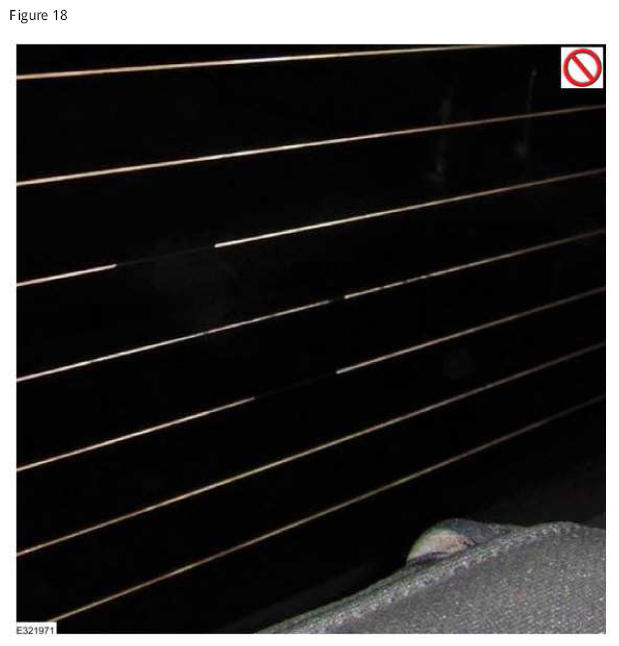
The antenna and heated window grid line material is not embedded into the glass, but is baked to the glass surface and consequently can be scraped off. An undamaged grid line has small ridges that project above the surface of the glass and can easily be felt when running a fingernail across them. Antenna and heated window grid lines that have been removed will feel smooth when a fingernail is dragged across the affected area. Inoperative heated window grid lines may appear to the eye to be undamaged due to residue remaining on the glass.
Pen Test: Slowly run the tip of a ballpoint pen along the length of the crack. If impact damage is present, the tip will catch into the depression caused by the impact.
Flashlight Test: Aim a flashlight at a 45e angle along the crack. This will help to highlight the crack making it more visible to inspect for radiating cracks from impact damage.
Non-warrantable Conditions
• Exterior glass scratched, chipped, or broken
• Stone chips, scratches
• Road salt, tree sap
• Bird and bee droppings
Warrantable Conditions
• Stress cracks are cracks in fixed glass that originate beneath a molding or from an edge, with no evidence of impact on the glass or to the surrounding moldings or body panels
• Windshield replacement due to stress cracks
-
NOTE: See the Warranty and Policy Manual for specific coverages
• Iron oxide (rail dust)
-
NOTE: Although not a factory defect, damage caused by airborne material/environmental fallout damage (such as rail dust or acid rain) to exterior finish has limited coverage according to the Warranty and Policy Manual
Glass build date decoding
• Decoding the glass build date and comparing that to the vehicle build date can determine non-factory installed glass
• Factory installed glass is typically built the month of, or shortly prior to the vehicle build date. A glass built after the vehicle build date would prove to not be factory installed
• Workshop manual procedures detail types of glass and their specific re-sealing & replacement procedures
Impact With Radiating Cracks (Non-warrantable) (Figures 1-3)
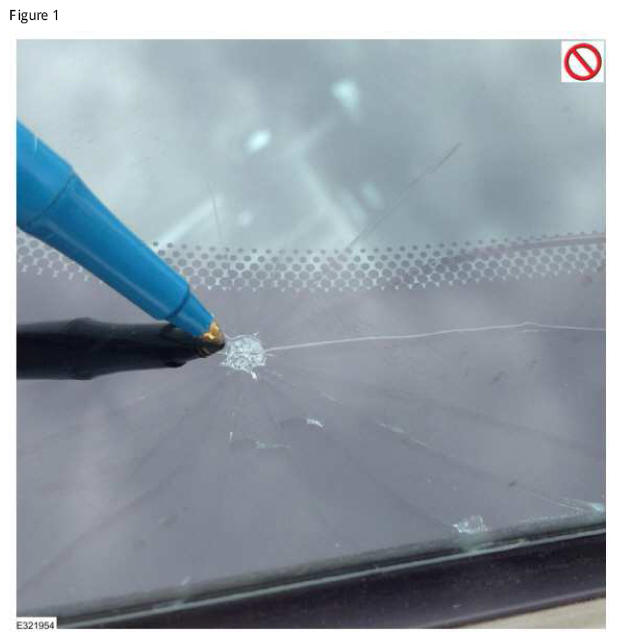
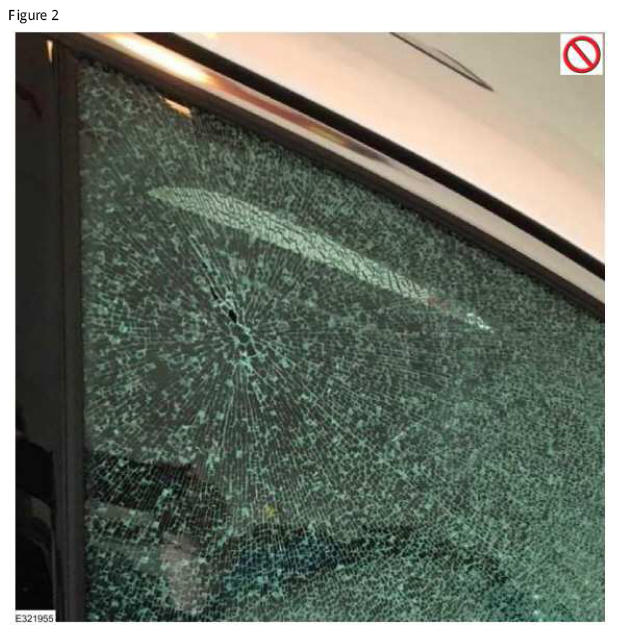
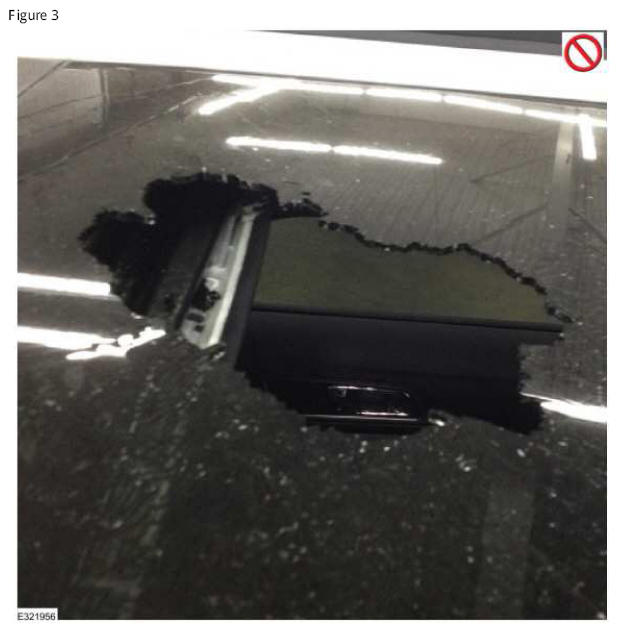
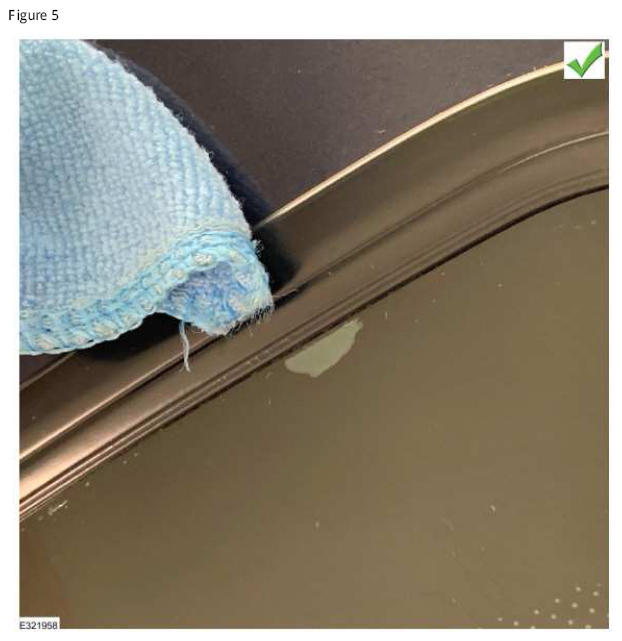
Delaminating Layers (Warrantable) (Figures 4-5)
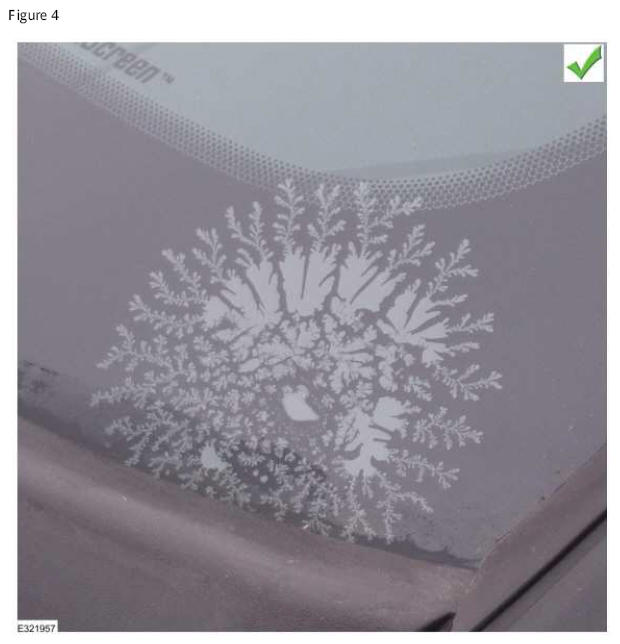
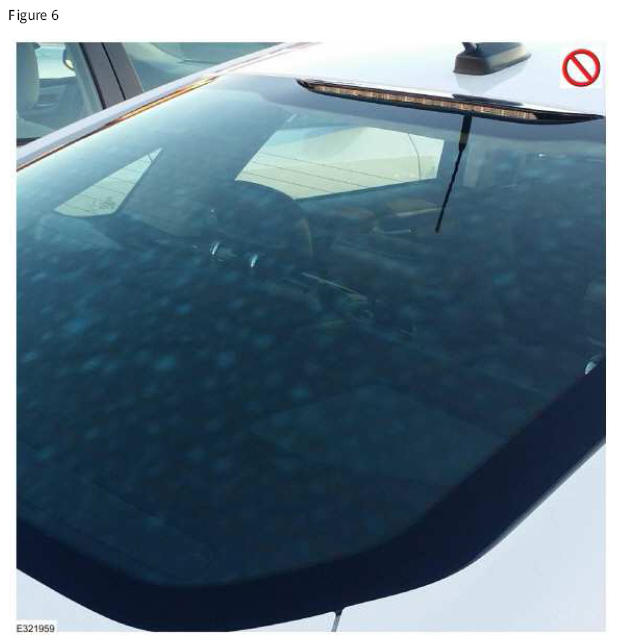
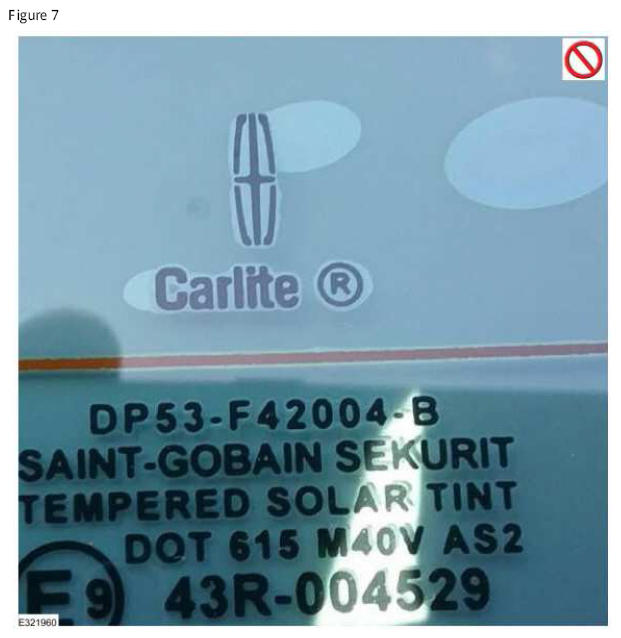
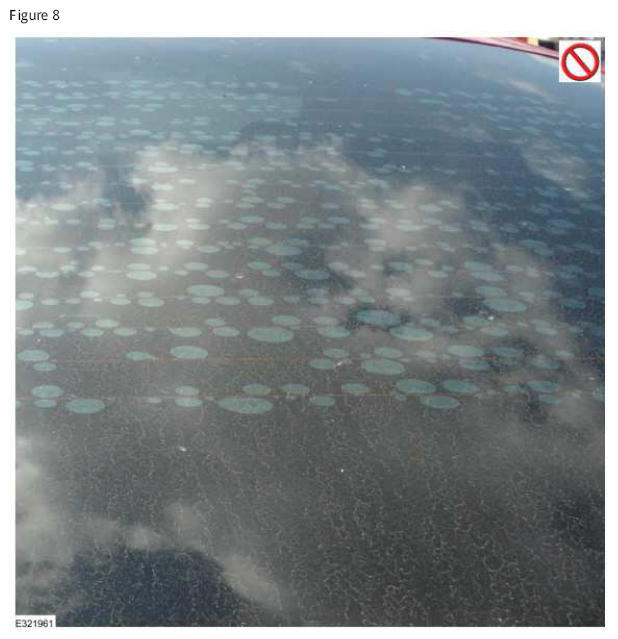
Spots (Non-warrantable) (Figures 6-8)
Quench marks are seen in tempered glass at some viewing angles/lighting conditions. (Figure 6)
Aftermarket window tint film will bubble around printing and grid lines. (Figures 7-8)
Bubbles In Laminated Glass (Warrantable) (Figures 9-10)
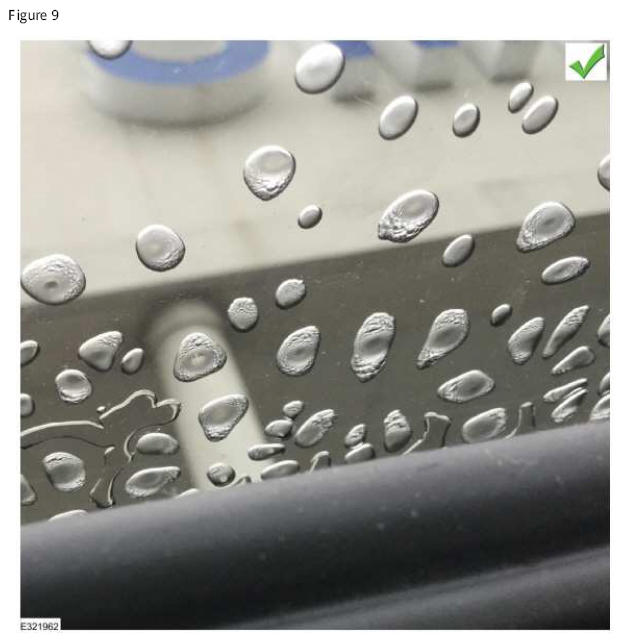
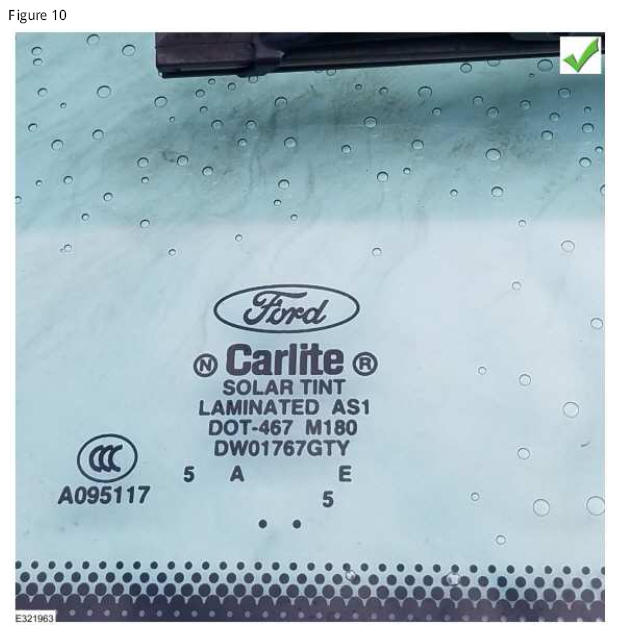
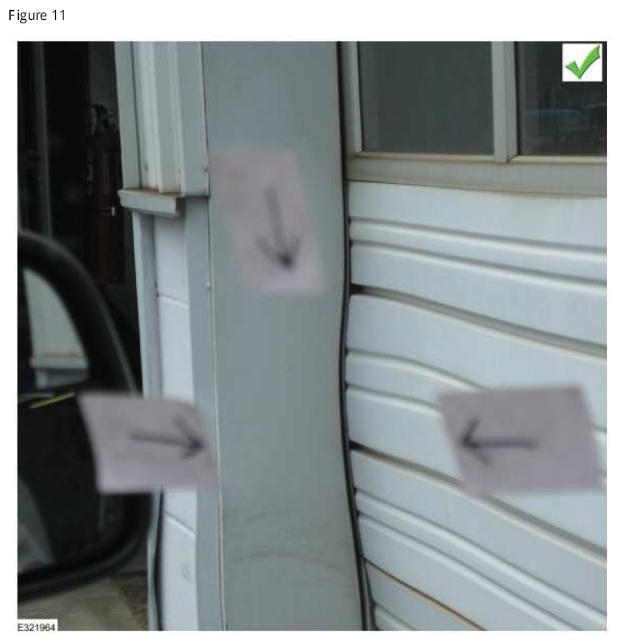
Distortion (Warrantable) (Figure 11-12)
Distortion visible in a normal sitting/viewing position inside the vehicle. (Figure 11)
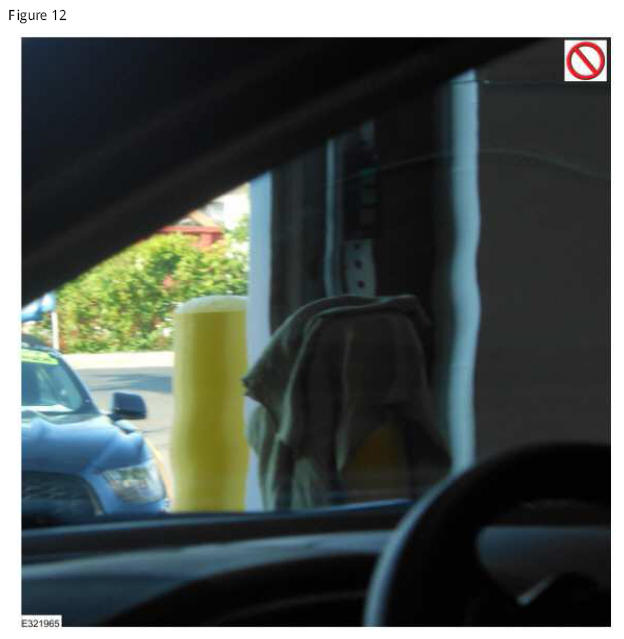
Distortions viewed near glass edges or at sharp angles are a characteristic due to the parabolic shape. (Figure 12)
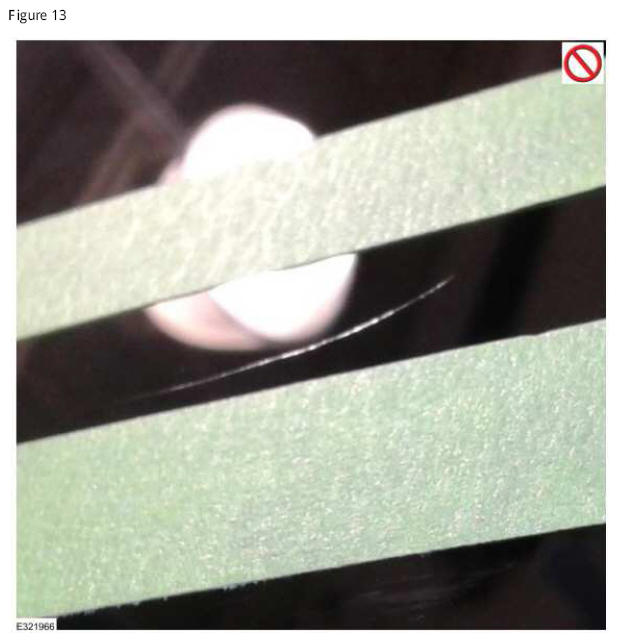
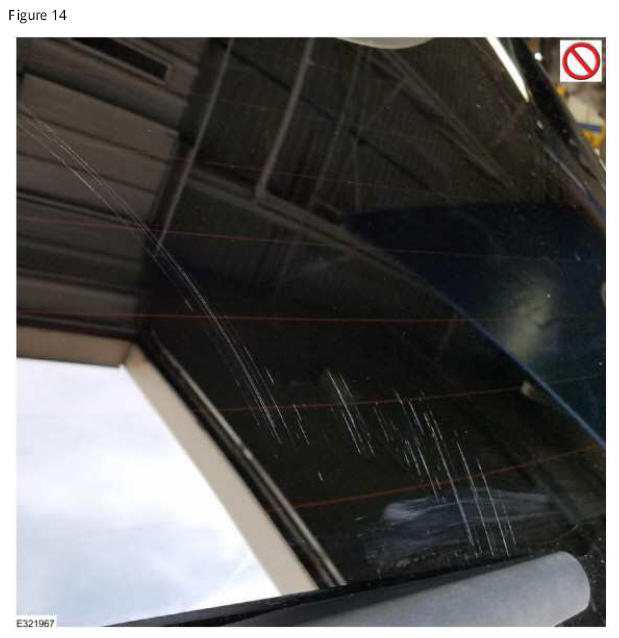
Scratches (Non-warrantable) (Figures 13-14)
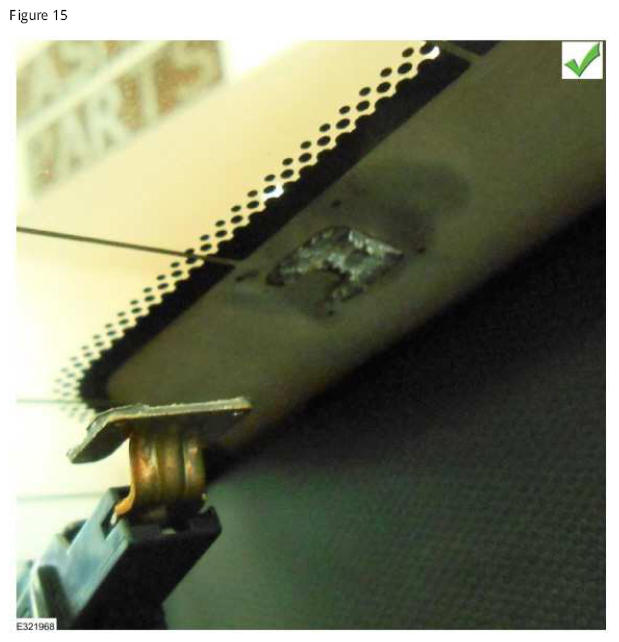
Lead Terminal Detached (Warrantable) (Figure 15)
Cold solder joint is noted by solder present on busbar and terminal. Glass replacement is not required, repairable per Workshop Manual.
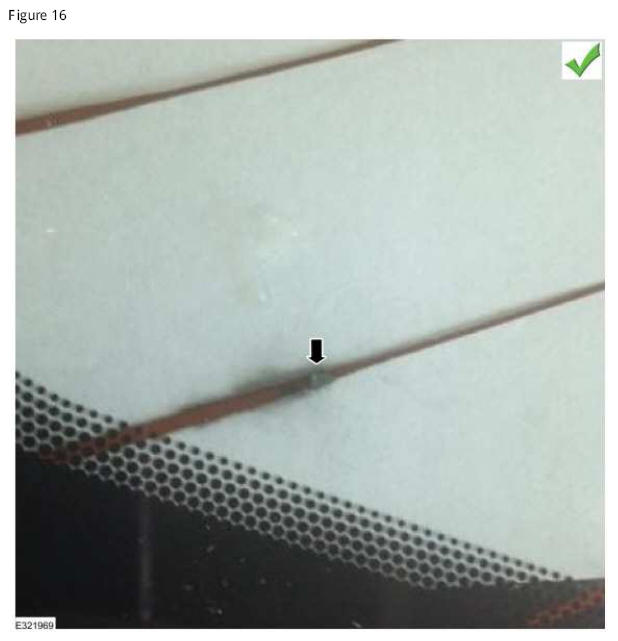
Heated Grid Wire Broken (Warrantable) (Figure 16)
A broken grid wire appears as a brown spot. Glass replacement is not required, repairable per Workshop Manual.
Detached Lead Terminal (Non-warrantable) (Figure 17)
Damage is indicated by removed busbar material.
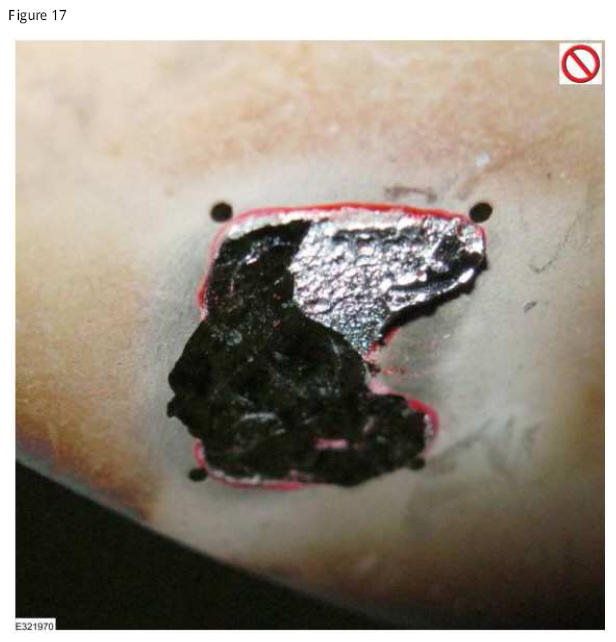
Removed Grid Wire (Non-warrantable) (Figure 18)
Will feel smooth and often have multiple areas affected in adjacent grid wire
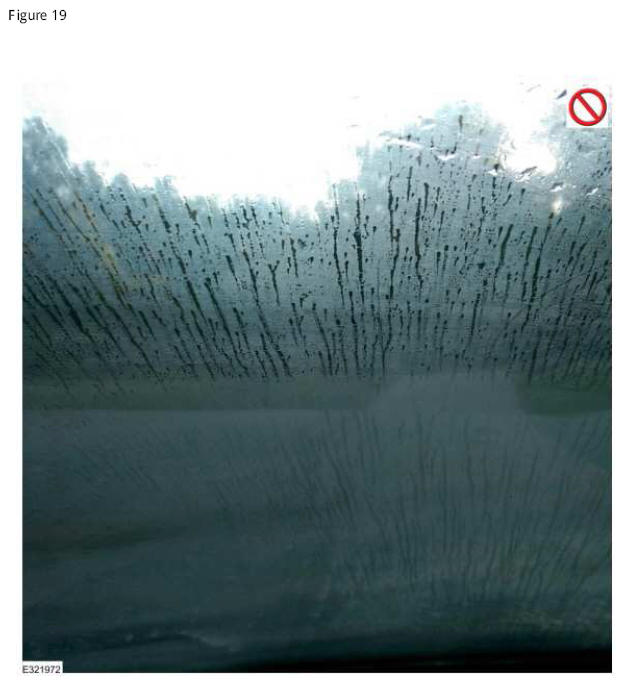
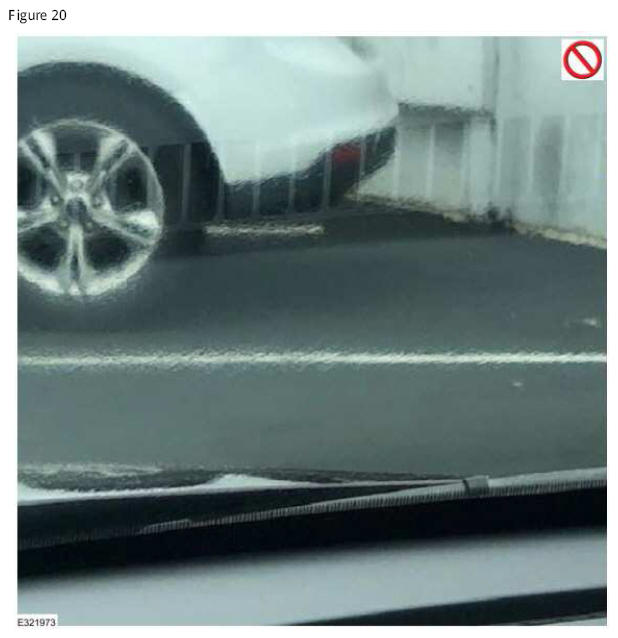
Etching (Non-warrantable) (Figures 19-20)
Cleaners and harsh substances can etch leaving marks which appear within the glass, often in liquid patterns
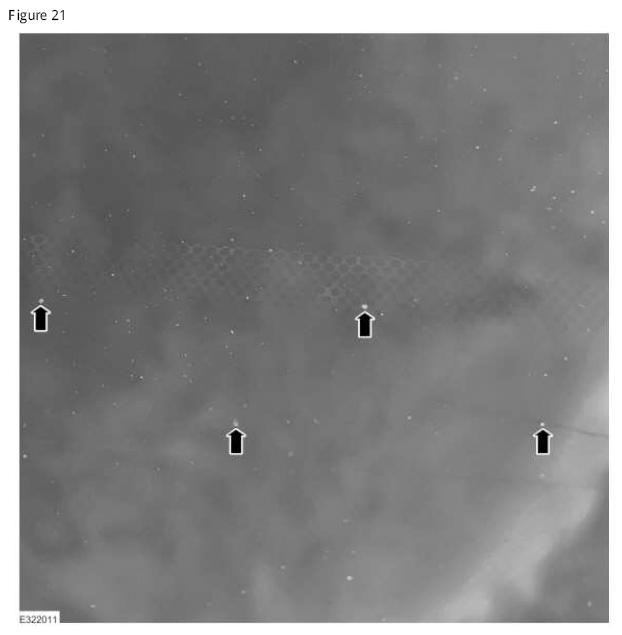
Environmental Fallout (Warrantable) (Figure 21)
Not a glass defect. Iron oxide (raid dust) will appear as blue spots on the glass surface. Limited coverage is outlined in the Warranty and Policy Manual.
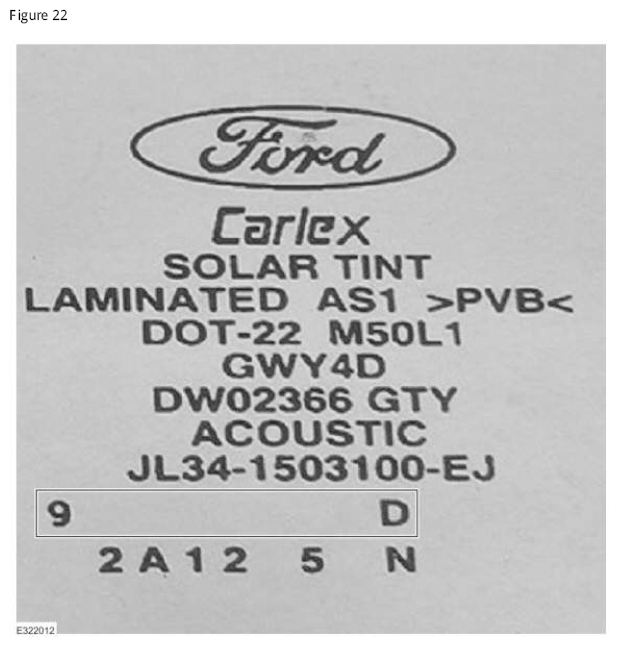
Glass Logo - Style 1 (Figure 22)
Number determines year (9=2019, 8=2018, etc), letter(s) determine month. (Table 1)
Example from Figure 22: April 2019 Figure 22
| Characters | Month |
|---|---|
| A | January |
| B | February |
| C | March |
| D | April |
| E | May |
| F | June |
| G | July |
| A B | August |
| A C | September |
| A D | October |
| A E | November |
| A F | December |
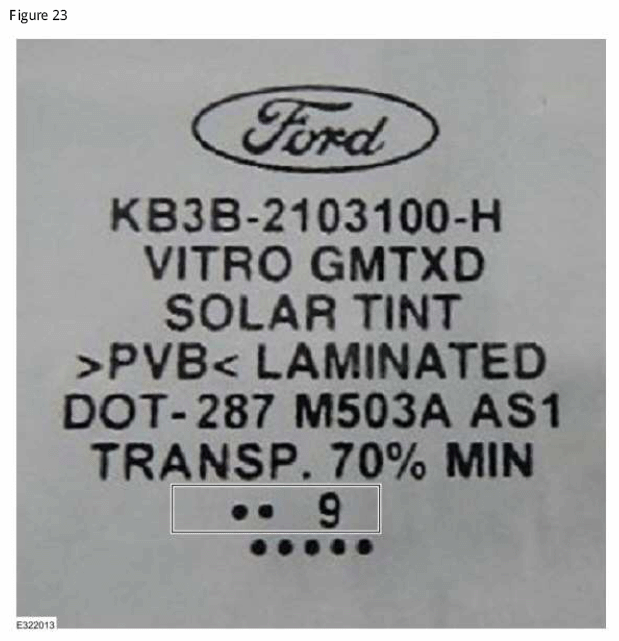
Glass Logo - Style 2 (Figure 23)
Bullet points determine month, number determines year (9=2019, 8=2018, etc). (Table 2)
Example from Figure 23: May 2019 Figure 23
| Characters | Month |
|---|---|
| * * * * * * 9 | January |
| * * * * * 9 | February |
| * * * * 9 | March |
| * * * 9 | April |
| * * 9 | May |
| * 9 | June |
| 9 * * * * * * | July |
| 9 * * * * * | August |
| 9 * * * * | September |
| 9 * * * | October |
| 9 * * | November |
| 9 * | December |
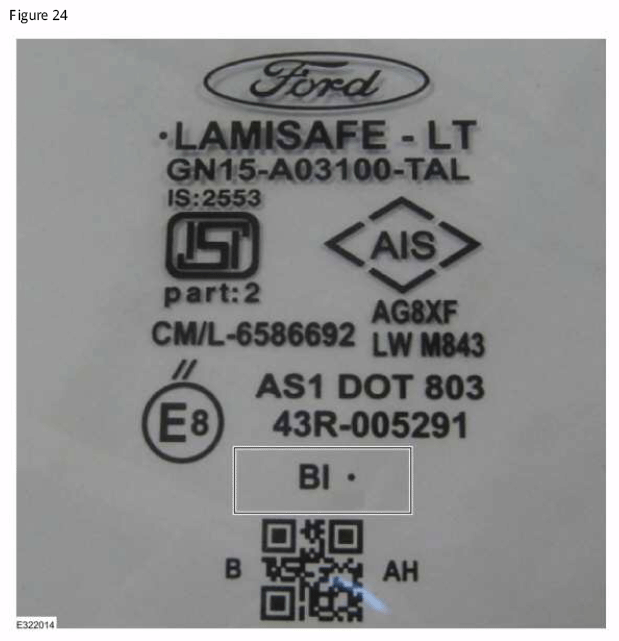
Glass Logo - Style 3 (Figure 24)
Letters determine the year, bullet points determine the month. For the production year, 2 letters are used to indicate the 2 digit year. B=1 and I=8, therefore BI=18, or 2018 production calendar year. (Tables 3-4)
Example from Figure 24: July 2018
| Characters | Month |
|---|---|
| * * * * * * BI | January |
| * * * * * BI | February |
| * * * * BI | March |
| * * * bi | April |
| BI * * | May |
| * BI | June |
| BI * | July |
| BI * * | August |
| Bi * * * | September |
| Bi * * * * | October |
| BI * * * * * | November |
| BI * * * * * * | December |
| Letter | Year |
|---|---|
| A | 0 |
| B | 1 |
| C | 2 |
| D | 3 |
| E | 4 |
| F | 5 |
| G | 6 |
| H | 7 |
| I | 8 |
| J | 9 |