NVH Fundamentals- Theory
NOISE, VIBRATION, AND HARNESS
The root of all NVH problems is Vibration . In some cases, these are abnormal vibrations and in other cases, they are always present (e.g. engine combustion). They should, however, never reach the driver or the passengers. Noise is vibration transmitted through the air and is heard when it reaches a person's ear. The 'perfect hearing' range is 20 Hz to 20 kHz, and vibrations are usually felt at frequencies below 200 Hz. In the overlapping frequency range, vibrations can both be felt and heard. In order to deal with this frequency range effectively, your MOPAR Scope NVH kit contain a microphone (for sound) and an accelerometer (for vibration). Harshness concerns may be due to a component that is not allowed to move within its normal travel such as a binding shock or strut.

NVH THEORY
There are common characteristics of noise and vibration used to diagnose NVH concerns. The following terms and graphics help explain how the frequency of a noise or vibration is used to relate the noise or vibration to a specific component:
- Cycle
- Frequency
- Amplitude
- Vibration Order
- Resonance
CYCLE
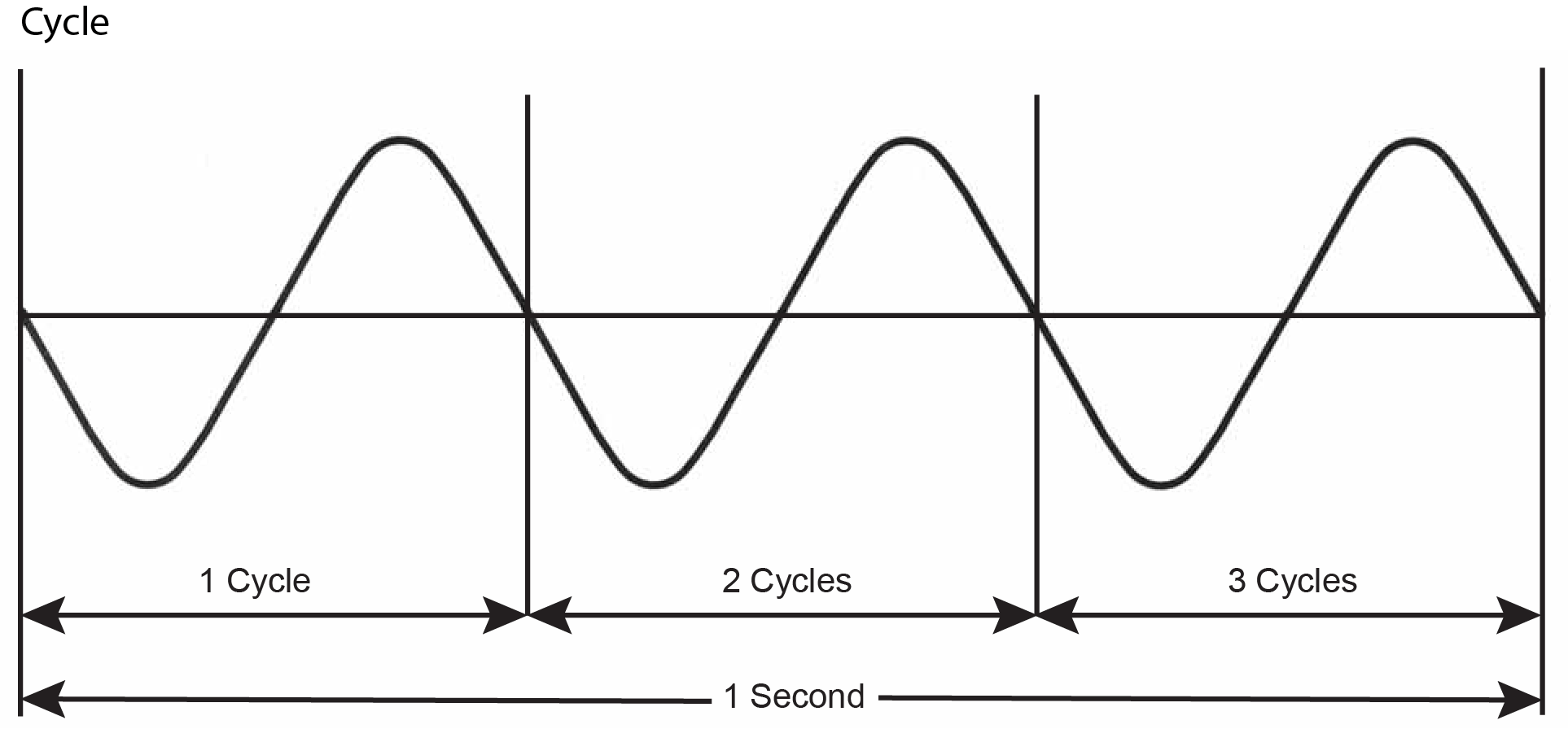
A cycle is the path a wave travels before the wave begins to repeat the path again. As related to NVH, a cycle is usually a representation of one disturbance. For example, if a wheel is out of balance, every time the heavy spot of the wheel travels one full rotation and causes one disturbance, one cycle is measured.
FREQUENCY
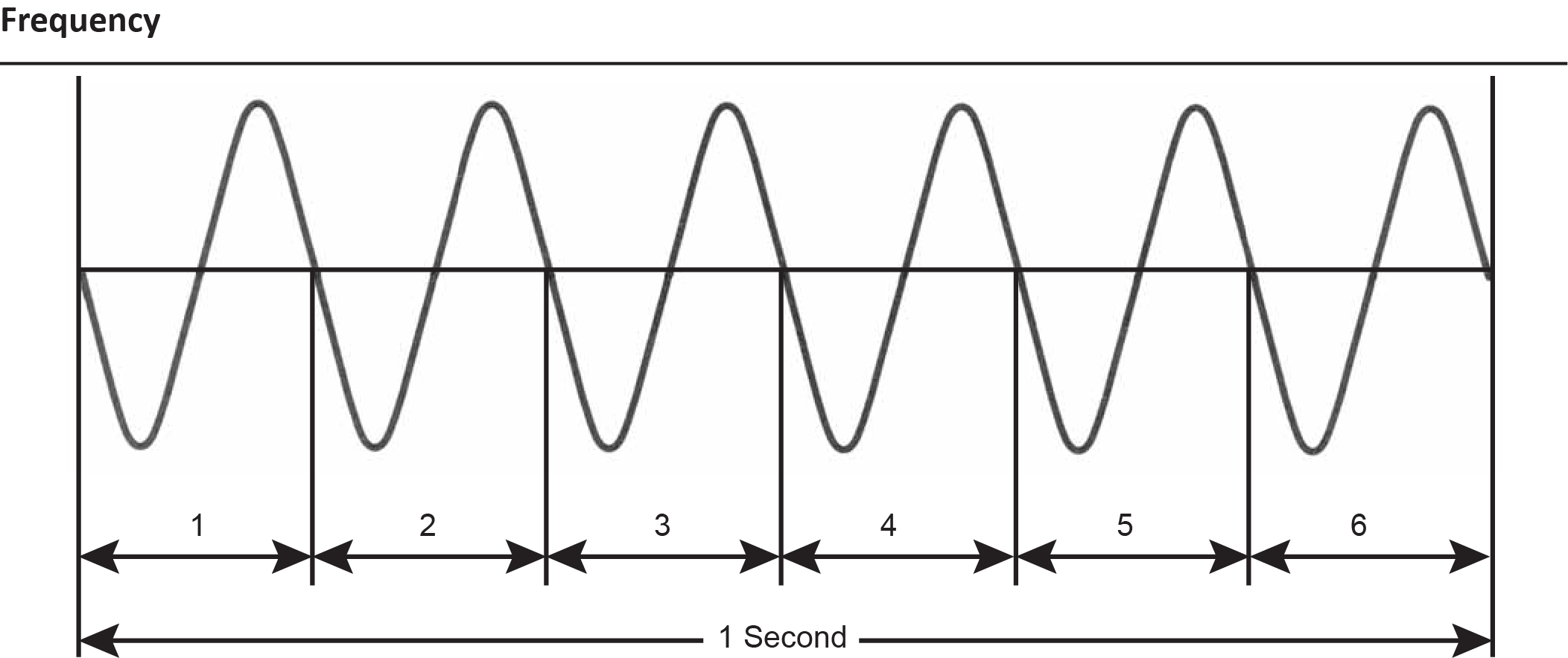
Frequency is the number of complete cycles that occur in one second. Sound and vibration waves are measured in hertz (Hz), or Cycles Per Second (CPS). One Hz is equal to one cycle per second. The sound wave shown in the illustration has a frequency of 6 Hz because it completes six CPS. The frequency of a sound or vibration is critical to troubleshooting an NVH concern because the frequency of the noise or vibration can be directly related to a component.
AMPLITUDE
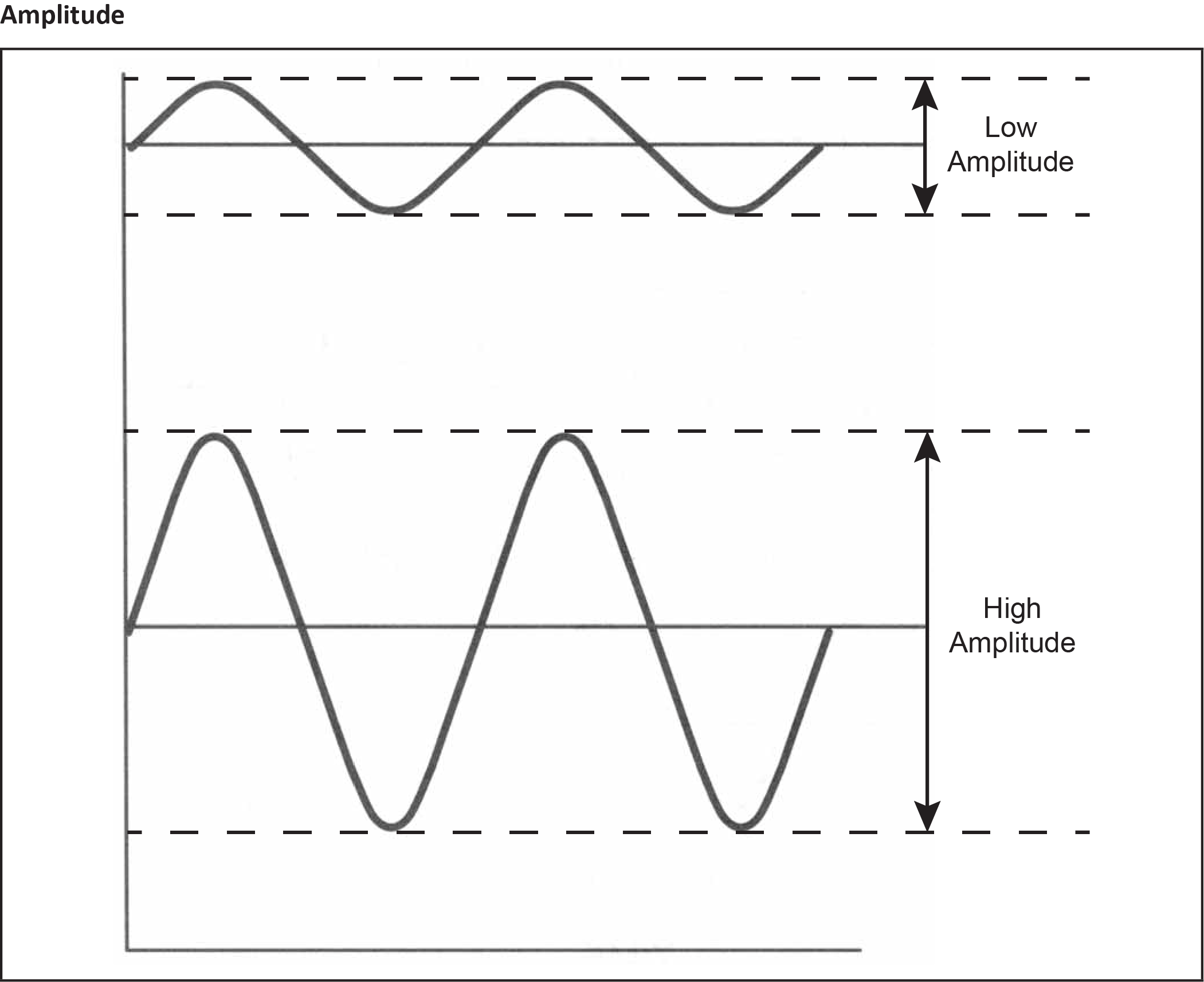
Amplitude refers to the intensity, or strength, of a noise or vibration. Two waves can have the same frequency, but differ in amplitude. Amplitude is the quantity or amount of energy produced by a vibrating component. Amplitude determines how loud a noise is, or how strong a vibration is.
VIBRATION ORDER
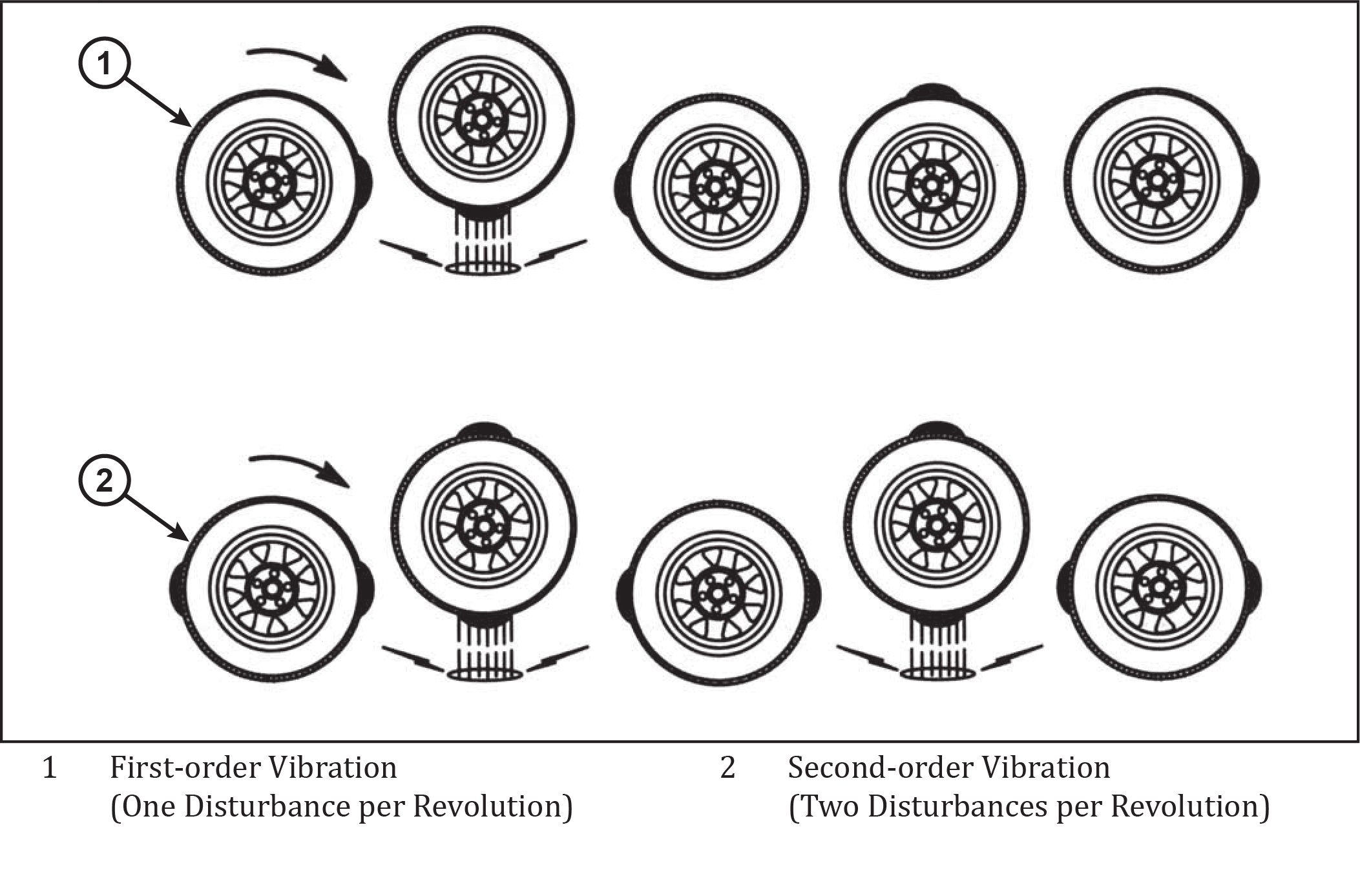
Vibration order is the number of disturbances created in one revolution of a component. A single high spot on a tire causes one disturbance per revolution and creates first-order disturbance. If the wheel rotates 10 times per second, there are 10 disturbances per second. This creates a first order disturbance of 10 Hz. If the tire developed a second high spot, a second-order disturbance would result. The wheel rotating 10 times per second produces 20 disturbances per second. This creates a second-order disturbance of 20 Hz. Three high spots create a third-order disturbance and four high spots create a fourth-order disturbance. Higher order disturbances continue to progress in this way.
The MOPAR Scope will present this information as Tire Vibration order (T1, T2, T3.), Engine Vibration order (E1, E1.5 E2.) and Propshaft vibration order, (P1, P2.).
The MOPAR scope will also display Unknown Vibration order (U1, U2, U13). These Vibration orders are captured by the MOPAR scope but are not easily categorized into the Tire, Engine or Propshaft Vibrations. These vibrations may related to resonance of other orders.
RESONANCE
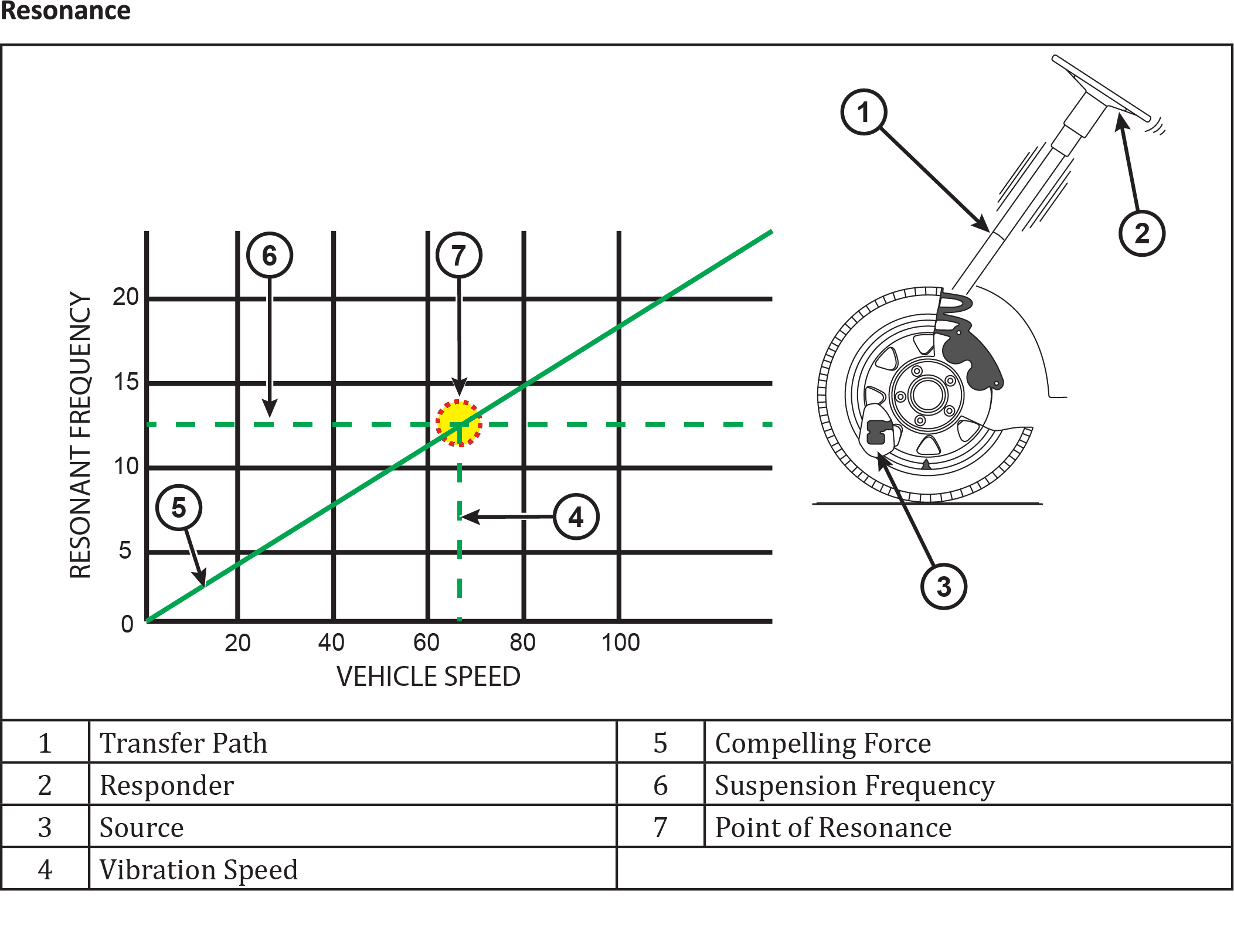
Resonance is the tendency of a system to respond to a compelling force or disturbance oscillating at, or near, the natural frequency of the system. All objects have natural frequencies and experience maximum response at the point of resonance. The natural frequency of a typical automotive front suspension is in the 10-15 Hz range. This is designed for ride and handling considerations.
As seen in the figure, the suspension's natural frequency is the same no matter what the vehicle speed. As the tire speed increases, along with the vehicle speed, the disturbance created by the unbalanced tire increases in frequency.
Eventually, the frequency of the unbalanced tire intersects with the natural frequency of the suspension, causing the suspension to vibrate. This intersection point is called the point of resonance.